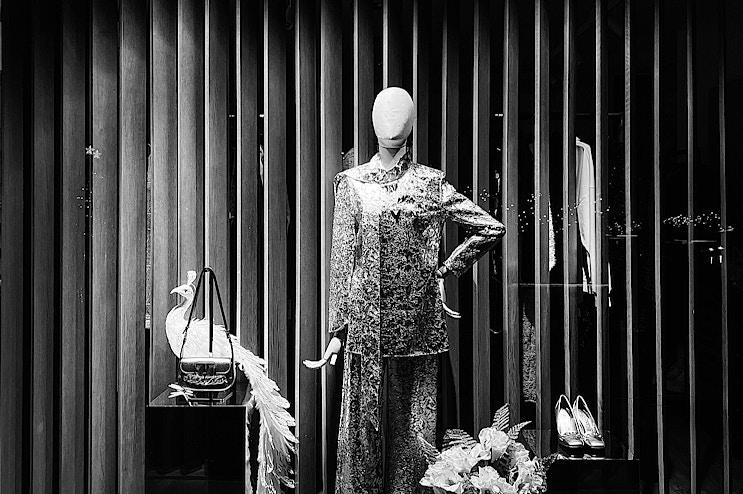
Visual merchandising is a strategic tool of fundamental importance for success in the world of retail. Through careful product arrangement and intelligent use of space, this discipline aims to improve the customer experience, increase sales and strengthen brand identity.
To successfully carry out this activity, skills are needed that combine creativity, analysis and deep knowledge of the market, enclosed in a single professional figure: the visual merchandiser.
But what are the qualities most appreciated by employers? This article analyzes the essential skills to emerge in this role to meet the expectations of companies.
Who is the visual merchandiser and what does he do?
The visual merchandiser is a professional figure born from the evolution of the traditional role of the window dresser, expanding its skills and responsibilities. If in the past the attention was concentrated almost exclusively on the windows, today this professional is involved in the design of the entire sales space. His goal is to create an environment that attracts customers, involves them during the visit and guides them towards the purchase.
Thanks to a combination of creative skills and targeted strategies , the visual merchandiser helps transform the store into a place where aesthetics and functionality work together to enhance the products and tell the story of the brand.
This figure is particularly sought after in sectors such as fashion but also finds application in other commercial realities that aim to improve the customer experience and increase sales.
The tasks of a visual merchandiser
The activities of a visual merchandiser range from design to the creation of displays designed to optimize the customer experience. Among their main responsibilities, we find:
- Window Display Design: With an eye-catching design and precise window strategy , window displays must communicate the brand's values and capture attention in seconds.
- Interior design: The store layout, shelf arrangement and lighting are designed to guide the customer and facilitate interaction with the products.
- Customer behavior analysis: through consumer psychology techniques, the visual merchandiser creates visual paths that influence purchasing decisions.
- Continuous training: Retail is an industry in constant transformation. To remain competitive, it is essential to invest in your training , by attending courses and workshops, and to enthusiastically embrace new technologies and emerging trends.
Where the skills of the visual merchandiser are applied
The work of the visual merchandiser therefore extends well beyond the creation of spectacular shop windows. He is involved in the organization and preparation of various environments inside and outside the store. Among these:
- Shelves and displays: essential elements to highlight products and promote an intuitive shopping experience.
- Mannequins and creative installations: useful tools to tell stories and inspire the customer with style proposals or product use.
- Signage: visual aids that facilitate the customer journey and improve the organization of spaces.
- Thematic or seasonal areas: spaces dedicated to specific promotions or collections, designed to maximize interest during certain times of the year.
- “Atmospheric” details: from lighting to fragrances, to music, each element contributes to creating an environment that reflects the brand identity and positively influences customer behavior.

What skills do you need to acquire to become a visual merchandiser?
Becoming a visual merchandiser requires much more than creativity and passion for design. This profession is based on a combination of transversal skills and technical specializations. It is not just about creating eye-catching displays, but about building visual experiences that reflect the brand's identity and stimulate purchasing behavior.
So what skills are essential to undertake this career?
1. Creative vision and design ability
Creativity is the beating heart of visual merchandising. Knowing how to design displays that harmoniously combine lights, colors, materials and spaces is essential to capture the customer's attention. However, creativity alone is not enough: it must be translated into concrete projects, imagining practical and effective solutions that respect the brand's objectives.
2. Knowledge of the target and market trends
A successful visual merchandiser cannot do without a deep knowledge of their audience. Studying consumer behavior and anticipating their desires allows you to design spaces that speak directly to the customer. At the same time, following market developments and industry trends allows you to keep your displays fresh and relevant.
3. Mastery of visual marketing techniques
Displays must be aesthetically appealing, but also functional. Understanding the principles of visual marketing, such as consumer psychology and sensory marketing, helps structure spaces strategically. Every element, from the position of a product to the design of the windows, must stimulate the customer's interest and encourage purchase.

4. Advanced technical skills
Visual merchandising is a profession that is increasingly influenced by technology. Knowing how to use design software, advertising graphics tools and advanced lighting technologies is a significant advantage. Furthermore, having scenographic skills allows you to enhance spaces, creating displays that tell a story and reinforce the brand message.
5. Analytical and managerial skills
An aspect that is often overlooked is the analysis of results. Monitoring sales trends and evaluating the effectiveness of the setups allows you to make targeted changes to improve performance. Similarly, organizational skills such as time, budget and resource management are essential to meet deadlines and coordinate any collaborators.
6. Flexibility and problem-solving attitude
In the retail world, unexpected events are the order of the day: assortment changes, last-minute promotions or space constraints require the ability to adapt. A good visual merchandiser must be able to face these challenges with creativity and speed, always maintaining the high quality of their work.
7. Environmental sensitivity
In an era where consumers are increasingly concerned about sustainability, the ability to design eco-friendly installations is an added value. This can include the use of recyclable materials, the reduction of waste or the integration of innovative solutions that respect the environment.
The training needed to become a visual merchandiser
Becoming a visual merchandiser requires specific training to acquire practical and theoretical skills that allow you to design strategic displays and enhance products through visual marketing techniques.
While it is not necessary to undertake a university course, professional training courses are the first step to take to learn the basics of the trade.
In addition to theory, these courses usually offer practical experiences , such as window display simulations and installations in real spaces that allow you to apply what you have learned and build a portfolio to present to future employers.
However, to complete one's training, field experience is essential: internships and placements allow one to collaborate with expert professionals, observe operational dynamics and develop transversal skills such as time management and teamwork.
But training doesn't stop once you've found a job: as previously discussed, the world of retail changes rapidly and it's essential to stay up to date on trends and new technologies by taking part in workshops and refresher courses.
With solid preparation and a constant focus on innovation, it is possible to transform the passion for design into a rewarding profession full of opportunities.
Why become a visual merchandiser?
Visual merchandising offers a dynamic and creative career, with the possibility of operating in different contexts and sectors. From fashion to food, this role allows you to work for different sectors and in independent stores, franchise chains, fairs, museums and exhibitions. This variety makes the profession interesting for those who are looking for new stimuli and the possibility of expressing their creativity in different ways.
Another interesting aspect of this career is the flexibility: you can choose to work as a freelancer, collaborating with multiple companies on specific projects, or you can hold a permanent position within an organization. Some visual merchandisers take on the role of itinerant figures, responsible for maintaining the aesthetic and communication standards of a brand across all the stores in a network, ensuring visual consistency and a uniform customer experience.
The economic prospects are also attractive: the salary varies based on experience, geographical location and the type of company you work for, but professional evolution allows you to reach roles of great responsibility. Over time, you can further specialize or expand your portfolio of skills, thus increasing your growth opportunities.
Choosing to become a visual merchandiser means aiming for a profession that values creativity, strategy and innovation capacity, offering stimulating career paths full of possibilities.
VIME: Your Launchpad in Visual Merchandising
If you want to pursue a career in visual merchandising and turn your passion into a profession, choosing the right training path is essential: the Yu Retail Academy, VIME is one of the best resources for those who want to acquire the skills needed to become a visual merchandiser. With a mix of theoretical lessons and practical activities , students can directly experience the dynamics of the sector, preparing themselves to face the real challenges of the retail world.
Thanks to the Yu Retail Academy, VIME , you will have all the tools and skills to become an excellent visual merchandiser.